

Introduction
Chittorgarh Fort, located in the town of Chittorgarh in Rajasthan, India, is one particular of the biggest forts in the place and a UNESCO Planet Heritage internet site. Recognized for its loaded background, architectural grandeur, and the tales of valor related with it, the fort presents a deep dive into India’s cultural and historical heritage. Going to Chittorgarh Fort is not just a touristic journey but an instructional knowledge that offers useful insights into the region’s earlier.
Historic Importance
The Origins of Chittorgarh Fort
Chittorgarh Fort, also known as Chittor Fort, was produced in the seventh century by the Maurya dynasty. It served as the funds of Mewar and witnessed quite a few battles, most notably in opposition to the Sultanate of Delhi and the Mughal Empire. The fort has witnessed the reign of many Rajput kings, which includes the famous Maharana Pratap.
Tales of Valor and Sacrifice
The fort is renowned for its affiliation with quite a few historic occasions that emphasize the bravery and resilience of the Rajput warriors. One particular of the most sizeable situations is the story of Rani Padmini, who, along with other women of the fort, fully commited Jauhar (self-immolation) to defend their honor from invaders. These tales of sacrifice are immortalized in the fort’s folklore and architecture.
Architectural Grandeur
Spectacular Buildings
The fort elaborate is a treasure trove of architectural marvels. It residences many palaces, temples, towers, and gates, every single reflecting the intricate artistry and engineering prowess of the time. Essential structures include the Rana Kumbha Palace, Rani Padmini’s Palace, and the Kirti Stambh (Tower of Fame).
Rana Kumbha Palace
Rana Kumbha Palace is the most significant construction inside the fort complex. It was the home of the Rajput kings and their family members. The palace, even though in ruins nowadays, nonetheless showcases the grandeur of Rajput architecture with its intricately carved pillars, expansive courtyards, and underground cellars.
Rani Padmini’s Palace
Rani Padmini’s Palace is a a few-story white building positioned on the financial institutions of a lotus pool. The palace is well-known for its association with Rani Padmini, whose attractiveness and valor have been eulogized in numerous legends. The architectural elegance of the palace, blended with its serene environment, will make it a major attraction inside the fort.
The Towers
The fort features two prominent towers: the Vijay Stambh (Tower of Victory) and the Kirti Stambh. The Vijay Stambh was crafted by Rana Kumbha to commemorate his victory around the armies of Malwa and Gujarat. It stands tall at 37.19 meters and is adorned with sculptures of Hindu deities. The Kirti Stambh is a 22-meter-large Jain tower developed by a rich Jain merchant and is focused to Adinath, the initial Jain Tirthankara.
Cultural Insights
The Mix of Religions
Chittorgarh Fort is a testomony to the coexistence of diverse religions and cultures. Inside the fort’s premises, there are many temples dedicated to Hindu deities, as nicely as Jain temples. The Kumbha Shyam Temple, Kalika Mata Temple, and the Jain Temple dedicated to Adinath emphasize the spiritual range and tolerance that existed in the location.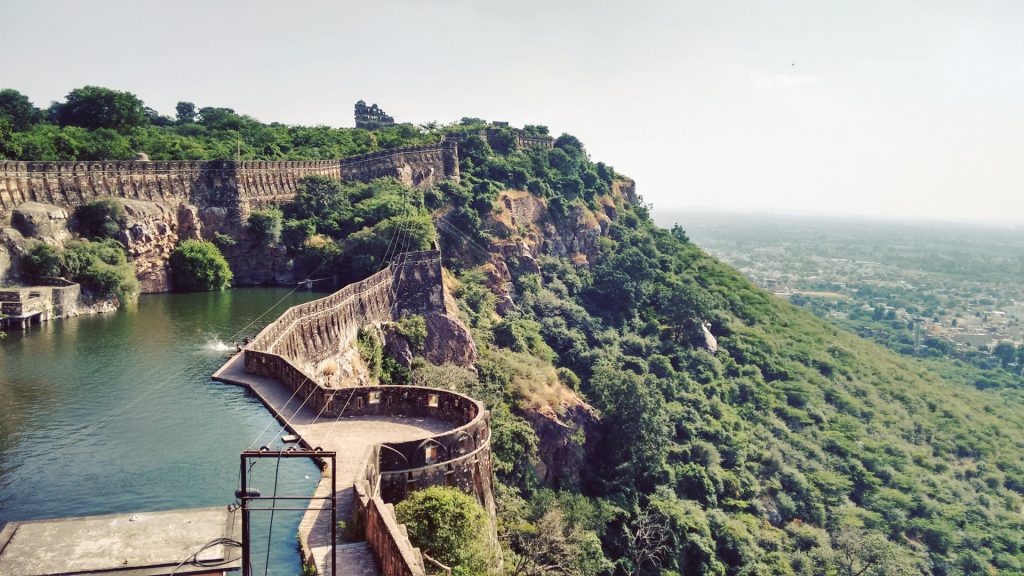
Festivals and Celebrations
Checking out Chittorgarh Fort all through neighborhood festivals can deliver an immersive cultural practical experience. The fort comes alive with vivid celebrations throughout festivals like Jauhar Mela, Teej, and Diwali. These festivals present a glimpse into the traditional customs, audio, dance, and delicacies of the area.
Artwork and Craft
The fort’s walls and buildings are adorned with intricate carvings and frescoes that depict scenes from Hindu mythology, battles, and day-to-day daily life. reference deliver insights into the creative abilities and aesthetic sensibilities of the artisans of that era. In addition, Chittorgarh is recognized for its standard handicrafts, which includes stone carvings, metalwork, and textiles, which mirror the loaded cultural heritage of the region.
Natural Elegance
The Fort’s Strategic Place
Chittorgarh Fort is strategically situated on a hilltop, offering panoramic sights of the surrounding landscape. The fort’s location not only presented a defensive gain but also contributes to its amazing natural beauty. The view from the fort features lush green fields, the Gambhiri River, and the city of Chittorgarh.
The Drinking water Bodies
Inside of the fort, there are 22 drinking water bodies, like ponds, wells, and move wells, which were being vital for the fort’s drinking water supply. The most famed among these is the Gaumukh Reservoir, a deep tank fed by a spring from a ‘cow mouth’ structure in the rock. These water bodies include to the fort’s scenic beauty and are a testomony to the highly developed drinking water management methods of ancient moments.
Worth of Visiting Chittorgarh Fort
Instructional Price
Visiting Chittorgarh Fort supplies an unparalleled educational experience. The fort’s prosperous history and architectural marvels offer you useful classes in Indian historical past, artwork, architecture, and tradition. It serves as an open-air museum where just one can master about the bravery of the Rajputs, the architectural ingenuity of the era, and the cultural amalgamation that characterised the area.
Preservation of Heritage
Exploring Chittorgarh Fort emphasizes the significance of preserving our cultural and historical heritage. The fort stands as a reminder of the earlier and the need to secure this sort of sites for future generations. Efforts by a variety of businesses to maintain and restore the fort spotlight the ongoing motivation to heritage conservation.
Inspiration for Art and Literature
Chittorgarh Fort has encouraged several artists, poets, and writers above the hundreds of years. The tales of valor, sacrifice, and romance associated with the fort have been immortalized in poems, paintings, and literature. Visiting the fort can spark creative imagination and give inspiration for present-day artists and writers.
Destinations to Pay a visit to in Chittorgarh
Though Chittorgarh Fort is certainly the key attraction, the city of Chittorgarh provides other intriguing sites value visiting. These contain:
Fateh Prakash Palace Museum
This museum houses a collection of artifacts, sculptures, and paintings that give insights into the background and society of the region. The palace itself is an architectural marvel with its attractive courtyards and galleries.
Sanwariyaji Temple
Found a quick distance from the fort, this temple is focused to Lord Krishna and is a major pilgrimage website for devotees. The temple complex is recognized for its serene ambiance and wonderful architecture.
Bassi Wildlife Sanctuary
For nature fanatics, a check out to the Bassi Wildlife Sanctuary provides an possibility to investigate the region’s flora and fauna. The sanctuary is home to various species of animals and birds, producing it a best place for wildlife images and nature walks.
Conclusion
Going to Chittorgarh Fort is a journey as a result of time, providing profound cultural and historic insights. The fort stands as a symbol of the valor and resilience of the Rajputs, the architectural brilliance of historical India, and the cultural amalgamation that has formed the region. By discovering the fort and the encompassing points of interest, people gain a further appreciation for India’s prosperous heritage and the significance of preserving it for future generations. Whether or not you are a history buff, an art enthusiast, or just a curious traveler, Chittorgarh Fort claims an enriching and unforgettable working experience.


Leave a Reply