

Cannabis nurturing requires careful consideration to environmental aspects to make certain healthy expansion and maximum render. Whether you’re a new novice grower or perhaps an experienced cultivator, understanding the maximum conditions for cannabis seeds is important. In this complete guide, we delve into the key elements: light, soil, normal water, and temperature demands, to assist you achieve successful cultivation.
Light Specifications
1. Light Intensity:
Cannabis plants are usually photoperiodic, meaning their own growth and flowering stages are motivated by light cycles. Through the vegetative phase, plants require between 18-24 hours of light every day to promote robust growth. High-intensity discharge (HID) lights such because metal halide (MH) or high-pressure sodium (HPS) are frequently used indoors, supplying the necessary variety for optimal expansion.
2. Light Range:
Different stages of growth require different light spectrums. During vegetative growth, plants benefit from azure spectrum light (400-500 nm), which stimulates leafy growth. Throughout contrast, the blooming stage advantages from reddish colored spectrum light (600-700 nm), which stimulates bud development. LED grow lights provide customizable spectrums in addition to energy efficiency appropriate for all expansion stages.
3. Lighting Duration:
Maintaining a regular light cycle is vital. During you can try this out blooming stage, reducing typically the light cycle to 12 hours of light and 12 hours of darkness induces flower production. Lighting interruptions during typically the dark cycle can easily stress plants and even affect flowering.
Soil Requirements
1. Soil Composition:
Deciding on the best ground is crucial with regard to cannabis cultivation. A new well-draining, nutrient-rich garden soil with a ph level level between six. 0-6. 8 is usually ideal. Organic garden soil blends including fragment, perlite, and cocorota coir provide excellent aeration and drinking water retention, promoting wholesome root development.
2. Nutrient Levels:
Hashish plants require the balanced supply involving macronutrients (nitrogen, phosphorus, potassium) and micronutrients (calcium, magnesium, iron) throughout their lifecycle. Organic fertilizers or even compost teas can supplement soil nutrition, enhancing plant energy and bud creation.
3. Soil ph level:
Monitoring and altering soil pH is crucial for nutritional uptake. pH amounts outside the maximum range can prospect to nutrient insufficiencies or toxicities. pH testing kits or meters help maintain soil pH in the recommended variety for healthy progress.
Watering Specifications
one. Water Quality:
Premium quality water free of pollutants is essential with regard to cannabis plants. Chlorinated water can hurt beneficial soil microorganisms and affect plant health. Using filtered or dechlorinated normal water ensures optimal nutrient absorption and stops mineral buildup in the soil.
a couple of. Watering Schedule:
Building a consistent providing water schedule is essential. Overwatering can guide to root decay, while underwatering might stress plants and minimize yield. Water vegetation when the best inch of ground feels dry, letting excess water to drain freely coming from the pot to prevent waterlogging.
a few. Irrigation Methods:
Drip irrigation or soaker hoses provide handled water delivery directly to the root zoom, minimizing water waste and promoting effective nutrient uptake. Automatic irrigation systems along with timers ensure crops receive water from optimal intervals, especially in larger increase operations.
Temperature plus Humidity Needs
one. Temperature Range:
Hashish plants thrive in temperatures between 20-28°C (68-82°F) throughout the day in addition to slightly cooler temps at night. Fluctuations outside this selection can stress plant life and affect development. Ventilation systems and fans help keep optimal temperature degrees indoors.
2. Humidity Levels:
Humidity levels must be carefully monitored, especially during blooming. During the vegetative phase, strive for humidity levels between 40-60%. Reduced humidity (30-40%) throughout flowering reduces typically the risk of mould and bud corrosion. Dehumidifiers and humidness monitors maintain best levels in inside grow spaces.
Bottom line
Successful cannabis cultivation relies on providing optimal growing conditions focused on the demands of the flower throughout its lifecycle. By understanding and even implementing the proper light, soil, water, and temperature demands, growers can improve yields and develop high-quality cannabis. Regular monitoring, adjustments based on plant reactions, and adherence in order to best practices ensure a rewarding fostering experience.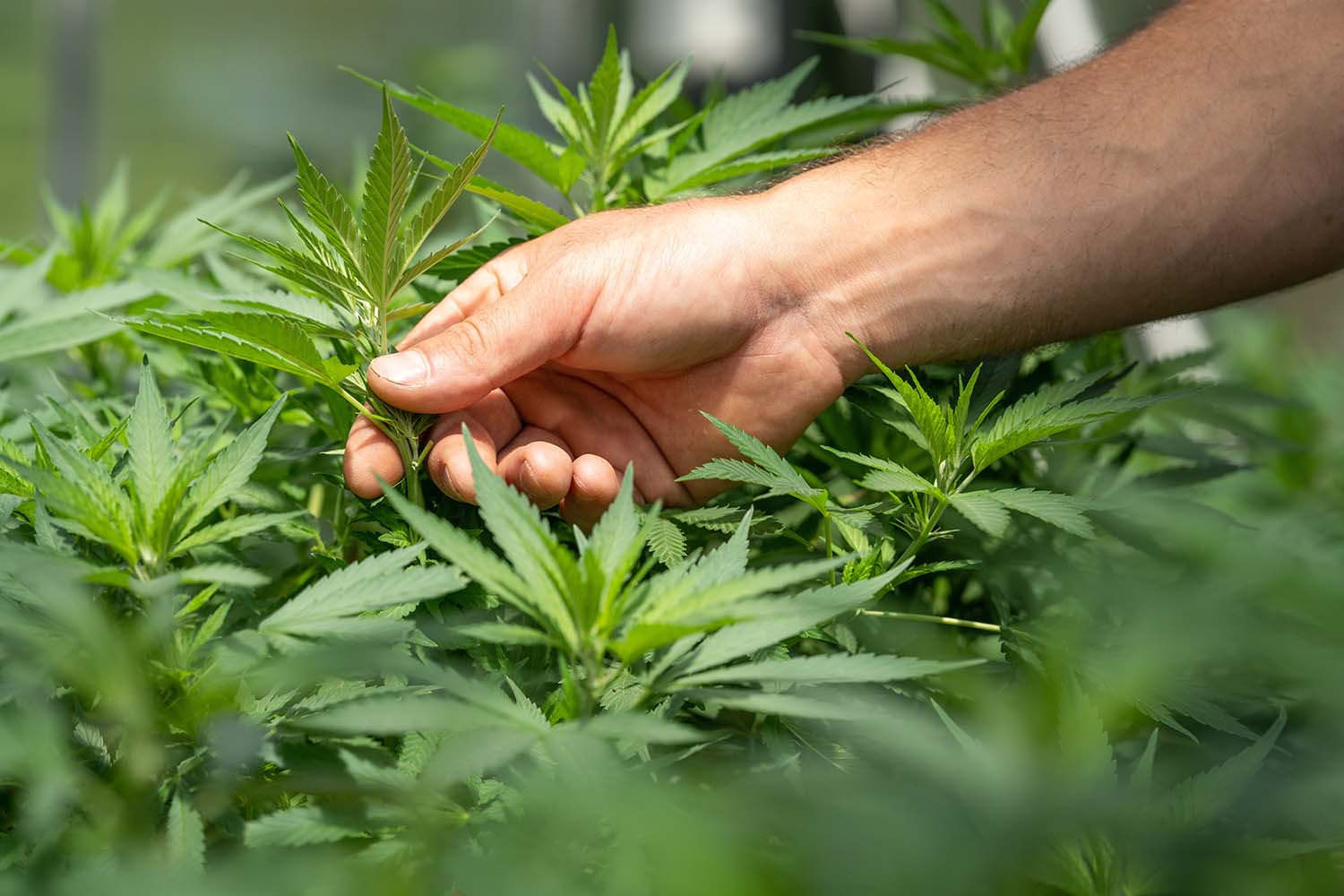
Whether you’re cultivating indoors or perhaps outdoors, mastering these essential factors sets the foundation intended for healthy, thriving hashish plants. Embrace the journey of cannabis cultivation with some sort of commitment to delivering the best possible environment for your plants to be able to flourish.


Leave a Reply