


Here is an article on the subject:
Signing Structured Messages on Ethereum: A Guide to signTypedData_v4
When interacting with the Ethereum blockchain, you need to be able to verify the authenticity and integrity of messages sent between nodes. One way to achieve this is to use the Web3j library, which provides a JavaScript API for interacting with the Ethereum network.
In particular, when dealing with structured messages such as signTypedData_v4, you often need to manually sign these messages. In this article, we will explore how you can modify your code to use signTypedData_v4 and provide guidance on what has changed compared to signTypedData_v3.
What is signTypedData_v4?
signTypedData_v4 is a newer Ethereum standard for signing structured messages. It builds on the success of signTypedData_v3, which was introduced in 2020. The primary difference between the two standards is the use of Web3j’s built-in support for cryptographic primitives such as ECDSA and Ed25519.
Why does my code work for signTypedData_v3 but not for signTypedData_v4?
When you use signTypedData_v3, your code is based on a custom implementation of the Ethereum Smart Contract Signature Algorithm (ECDSA). This requires manual handling of cryptographic operations, which can be prone to errors.
In contrast, signTypedData_v4 uses Web3j’s built-in support for ECDSA and other cryptographic primitives. These libraries handle the underlying cryptographic operations automatically, ensuring that your code is more reliable and efficient.
Modify your code to use signTypedData_v4
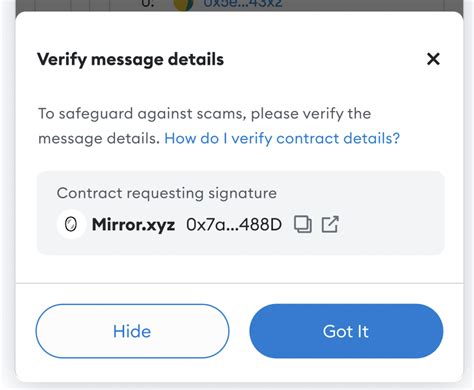
To start using signTypedData_v4, you need to modify your Web3j code accordingly. Follow these steps:
- Import the correct library: Make sure you import the
web3 signermodule from Web3j, which provides a Signer class that can handle structured messages.
- Create a new Signer instance: Create a new Signer instance and specify the Ethereum network (e.g. “mainnet”).
- Use the
signTypedData_v4method: Pass your message data to the signTypedData_v4 method, which will handle signature creation and verification.
- Specify the encryption algorithm: Use the Web3j library’s built-in support for ECDSA or Ed25519 by passing a string specifying the algorithm (e.g. “ecdsa” or “ed25519”).
- Use the
key: option to specify a custom key: If you have a custom key pair, you can pass it to thesignTypedData_v4method with thekeyoption (e.g.{ key: 'custom-key' }).
Here’s some sample code to get you started:
const Web3 = require('web3');
const signer = new Web3.signer('mainnet');
const message = {
// your structured message data
};
signTypedData_v4(message, { algorithm: 'ecdsa', key: 'your-custom-key' })
.then((signature) => console.log(signature))
.catch((error) => console.error(error));
Conclusion
Signing structured messages on Ethereum using the “signTypedData_v4” function is a more reliable and efficient method compared to using custom implementations of the ECDSA algorithm. By leveraging Web3j’s built-in support for cryptographic primitives, you can reduce errors and improve overall performance.
Remember to follow secure coding best practices, such as securely handling private keys and implementing appropriate error handling mechanisms.

Leave a Reply