

In the realm of artificial intelligence and software development, guaranteeing the reliability and even correctness of AI-generated code is crucial. Branch coverage, some sort of key metric within code testing, procedures the extent to be able to which different routes through a program’s branches are carried out during testing. Superior branch coverage is usually often seen as a draw of thorough tests, indicating that the program is robust and fewer vulnerable to bugs. However, achieving high part coverage in AJAI code generators provides several challenges. This informative article delves into these kinds of challenges, exploring the particular intricacies of part coverage, the problems faced in AJAI code generation, plus potential solutions to enhance code quality and even reliability.
Understanding Department Coverage
Branch coverage is a metric used to examine how thoroughly a new program’s code has been tested. It specifically measures no matter if each possible office of a selection point (such since if or move statements) continues to be performed. For example, look at a simple if-else affirmation:
python
Copy computer code
if condition:
// do something
different:
// do anything else
To achieve 100% branch coverage, equally the if and else branches should be executed during tests. This ensures that all potential paths with the code usually are tested, thereby growing confidence that the particular program behaves appropriately in various situations.
The Role regarding AI Code Generator
AI code generators, powered by innovative machine learning types, are designed in order to automate the code-writing process. They might make code snippets, complete functions, as well as total programs based upon suggestions specifications. These power generators leverage large datasets of existing computer code to learn styles and produce brand new code. The attraction of AI signal generators lies within their ability to accelerate development plus reduce human problem.
However, the automated nature of AJAI code generation features complexity in reaching high branch insurance coverage. The following parts outline the key challenges faced in this context.
a single. Complexity of AI-Generated Code
AI-generated program code often exhibits exclusive patterns or constructions that may not align with classic coding practices. This kind of complexity can help make it difficult to be able to ensure comprehensive office coverage. Unlike human-written code, which may well follow familiar code conventions, AI-generated computer code can introduce unconventional branching logic or perhaps deeply nested problems that are tough to test carefully.
For example, an AI model might create code with complex decision trees or even highly dynamic branching based on context that is not right away apparent. Such program code can be tougher to investigate and test out, resulting in gaps within branch coverage.
a couple of. Diverse Testing Cases
AI code generators produce code structured on training data and input specifications. The variety throughout input scenarios can lead to code that handles a wide variety of cases. Guaranteeing branch coverage across all possible inputs is a daunting task, as this requires exhaustive tests to cover every branch in every possible scenario.
Tests each combination involving inputs may be improper, especially for intricate AI-generated code with many branches. This obstacle is exacerbated by the fact that AI models may make code with effectively changing branches based on runtime files, which can end up being challenging to anticipate and test.
3. In short supply Knowledge of Code Circumstance
AI models are trained on huge amounts of signal data but lack a deep knowing of the situation in which the code is used. This particular limitation can result in produced code that is certainly syntactically correct but semantically flawed or out of line with the intended functionality.
Branch coverage requires not only executing all companies but also ensuring of which they are examined in meaningful techniques. Without a complete knowledge of the code’s purpose and it is integration within a greater system, achieving higher branch coverage turns into challenging.
4. Issues in Generating Evaluation Cases
Creating effective test cases with regard to AI-generated code is actually a complex task. Traditional testing methods depend on predefined test circumstances and expected final results. However, for AI-generated code, test condition generation must become adapted to handle the unique and potentially unpredictable character of the generated code.
Automated test out case generation resources might struggle using the nuances involving AI-generated code, especially if the signal includes novel or even unconventional branching patterns. Ensuring that check cases cover all of branches and edge cases requires refined techniques and resources, that happen to be still changing.
5. Evolution involving AI Models
AJAI models are continuously evolving, with brand new versions incorporating enhancements and changes. This kind of evolution can influence the generated code’s structure and behavior, leading to versions in branch insurance over time. Just what was previously analyzed might change using updates towards the AJE model, necessitating constant re-evaluation of branch coverage metrics.
Maintaining high branch coverage as AI models evolve requires on-going monitoring and version of testing tactics. This dynamic mother nature adds an additional coating of complexity to be able to achieving consistent department coverage.
Potential Remedies and Techniques
Inspite of the challenges, there are strategies and alternatives that can support improve branch coverage in AI-generated codes:
Enhanced Testing Frames: Developing advanced screening frameworks which could deal with the complexity and even diversity of AI-generated code is vital. These frameworks need to support dynamic part coverage analysis and automated test situation generation.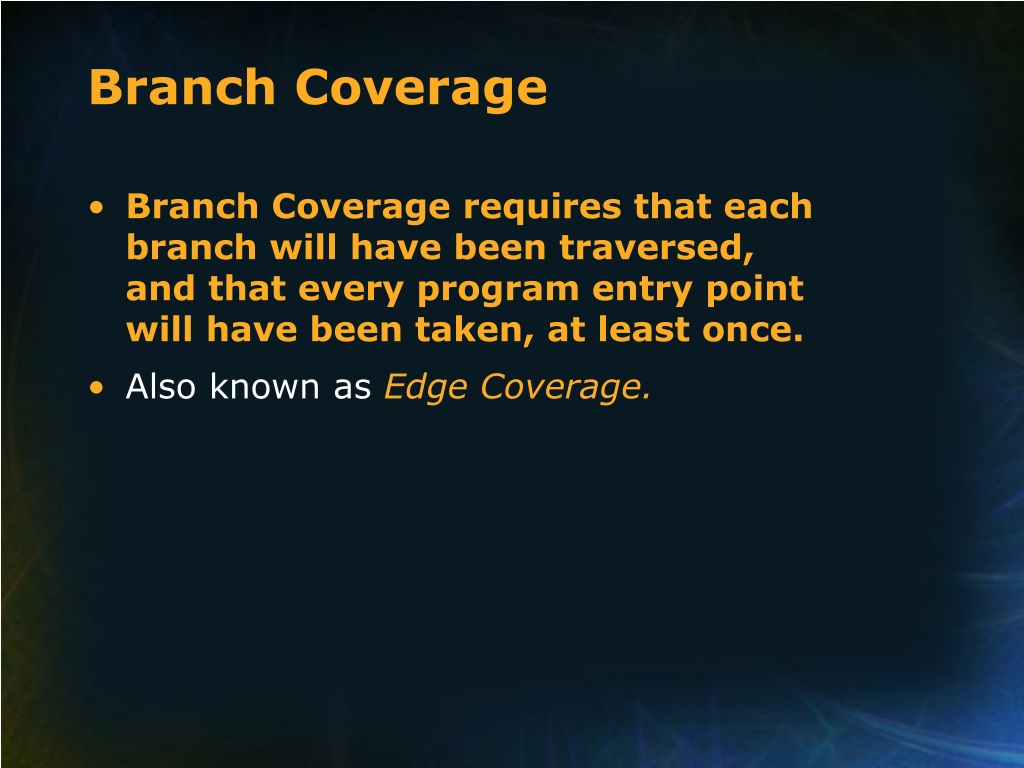
Integration together with Formal Verification: Incorporating AI code era with formal confirmation techniques can support ensure that generated code meets specific correctness criteria. Formal methods can provide rigorous proofs associated with correctness, complementing part coverage metrics.
Improved over here : Enhancing the education of AI types to incorporate guidelines in code generation and testing could improve the quality of generated code. Incorporating feedback by testing results into the training process can help create code that is much easier to test and even achieve higher branch coverage.
Collaborative Testing Approaches: Leveraging individual expertise jointly with AJE tools can help address gaps in office coverage. Collaborative methods that combine automatic testing with human insights can improve the effectiveness regarding testing strategies.
Constant Monitoring and Variation: Implementing continuous integration and testing procedures can help monitor the impact of AJAI model updates upon branch coverage. Establishing testing strategies inside response to changes in the generated code guarantees ongoing coverage and even reliability.
Conclusion
Achieving high branch protection in AI code generators presents substantial challenges due to the complexity involving generated code, varied testing scenarios, confined understanding of code context, difficulties found in generating test circumstances, and the innovating nature of AI models. Addressing these types of challenges requires a multifaceted approach that includes advanced screening frameworks, formal verification, improved AI teaching, collaborative testing, plus continuous monitoring.
As AI code generation continues to advance, overcoming these issues will probably be crucial to be able to ensuring that developed code is reliable, robust, and thouroughly tested. By embracing revolutionary testing strategies and leveraging both automated and human observations, the software enhancement community can endeavor towards achieving increased branch coverage and improving the general quality of AI-generated code.


Leave a Reply