

In today’s fast-paced software growth world, delivering top quality applications
quickly is somewhat more important than at any time. Efficient test execution is a key factor in achieving this kind of
goal. Customizing the procedure not just accelerates the shipping and delivery cycle but also guarantees that
software will be robust, reliable, plus bug-free. Whether you’re employed in an Agile, DevOps, or
traditional development environment, customizing test execution is usually crucial for enhancing the
overall efficiency of the computer software development lifecycle (SDLC).
In this post, we will explore how to improve test execution regarding efficient software
advancement, covering best techniques, strategies, tools, and even techniques which will help
streamline your testing attempts and improve merchandise quality.
What is Analyze Execution?
Test execution is the period in the software program testing lifecycle in which the planned testing are
actually manage against the application to verify that this behaves as predicted. It involves interacting
together with the application, punching in test data, and even comparing the results towards the expected
effects. The goal would be to identify defects, confirm functionality, and assure that all
requirements have got been met.
Useful test execution certainly not only reduces the time spent testing but in addition enhances the good quality
from the software simply by finding defects early, ensuring faster launches, and increasing total
confidence in typically the product.
Why Optimizing Test Execution is certainly Essential
Before many of us dive into typically the techniques for optimizing check execution, let’s 1st discover why it’s
important:
• Time Efficiency: Optimizing test delivery ensures faster opinions for the quality of
the application, which is usually crucial in speedy development cycles enjoy Agile or Ongoing
Integration/Continuous Deployment (CI/CD).
• Cost Performance: By reducing obsolete tests and centering on high-priority test out cases,
you can save time and lessen costs associated with testing efforts.
• Enhanced Product High quality: Efficient test execution contributes to better recognition associated with
bugs in addition to issues, improving the particular quality of the application and user pleasure.
• Improved Effort: Streamlined processes enable better communication
between development, testing, and other teams, leading to a smoother work flow.
Now, let’s consider a closer look at how to be able to optimize test delivery for efficient software
development.
1. Develop a Robust Check Execution Method
Typically the first step inside optimizing test setup is to create a comprehensive test setup
strategy. This approach outlines how you’ll approach testing, exactly what methods will be used, and
just how success will turn out to be measured.
Key Elements of a Check Execution Strategy:
• Test Prioritization: Not all tests are equally important. Prioritize tests based on their
risk, influence, and business meaning. Focus on screening critical features and high-risk
areas 1st.
• Test Insurance coverage: Ensure your method covers all elements of the application form, which include
functional, integration, regression, and performance assessment.
• Clear Check Case Design: Practical test cases are much easier to execute and provide
reliable results. Create clear, reusable, plus maintainable test cases to maximize
performance.
• Tools and even Frameworks: Select typically the right tools and even frameworks for evaluation execution. This
can include automated tests frameworks, test management tools, and credit reporting
tools.
A sturdy test execution strategy can provide clarity and help avoid unwanted steps or
rework during testing.
2. Automate Repetitive and even High-Volume Testing
A single of the the majority of effective ways in order to optimize test setup is to put into action test automation.
Software boosts testing, increases test coverage, in addition to improves accuracy by simply
eliminating human problem.
Advantages of Test Automation:
• Speed: Programmed tests can operate considerably faster than guide tests, allowing regarding more
tests in order to be executed quicker.
• Reusability: When automated, tests could be reused across diverse software versions
or even environments without requiring much setup.
• Consistent Results: Robotisation helps to ensure that tests are executed the identical way each
t
ime, providing dependable results.
• Quicker Feedback: Automated checks can be executed as soon as code alterations are usually
made, passing along developers quicker opinions around the quality involving the code.
Which often Tests In case you Mechanize?
Focus on robotizing tests that usually are repetitive and high-volume, for example:
• Regression Tests: Tests of which verify the application still works after changes or revisions.
• Smoke Assessments: Basic tests in order to verify that the application build is stable enough for additional
testing.
• Performance Tests: Load, stress, and scalability tests to be able to ensure the app
performs well beneath different conditions.
• Data-Driven Tests: Checks that involve working exactly the same logic with different sets regarding
input data.
Resources like Selenium, JUnit, TestNG, and Cucumber are popular alternatives for automating tests.
3. check over here (CI) in addition to Continuous Testing (CT)
Continuous Integration (CI) and Continuous Tests (CT) are imperative components of modern
software program development practices such as Agile and DevOps. They help combine testing into the
development process, guaranteeing that code is definitely tested continuously through its lifecycle.
How CI and COMPUTERTOMOGRAFIE Optimize Test Delivery:
• Frequent Tests: CI ensures that will code changes are tested as rapidly as they usually are
dedicated to the database. Continuous Testing automates testing across several
environments, providing repeated and consistent comments for the software’s wellness.
• Faster Recognition of Defects: Along with CI/CD pipelines found in place, developers will be alerted to
defects as soon as they occur, allowing them to resolve issues before they become more
complex.
• Automated Test Setup: CI systems immediately trigger test setup whenever
a program code change is produced, which accelerates the particular testing process in addition to ensures that tests are run frequently.
CI/CD Tools for Test out Execution:
• Jenkins: One of typically the most popular CI/CD tools, Jenkins may integrate with various
screening frameworks to automate test execution.
• GitLab CI/CD: GitLab provides seamless integration for both CI and CT, permitting
developers to handle testing within their sewerlines.
• CircleCI: One more popular tool intended for CI/CD, CircleCI may help automate the performance of
test circumstances and integrates good with version handle systems like GitHub and Bitbucket.
5. Optimize Test Situation Management
Efficient check case management is definitely crucial for optimizing test execution. Well-organized test
cases reduce the time spent executing and traffic monitoring tests. Effective administration can also
assist ensure that critical regions of the software are examined thoroughly.
Key Tactics for Test Case Optimization:
• Prioritize Test Cases: Not really all test situations are created even. Prioritize tests structured on the
significance of the feature or perhaps module being analyzed. Consider risk-based assessment to
focus on high-risk areas.
• Group Test Situations: Group test conditions logically based on functional areas, check types, or even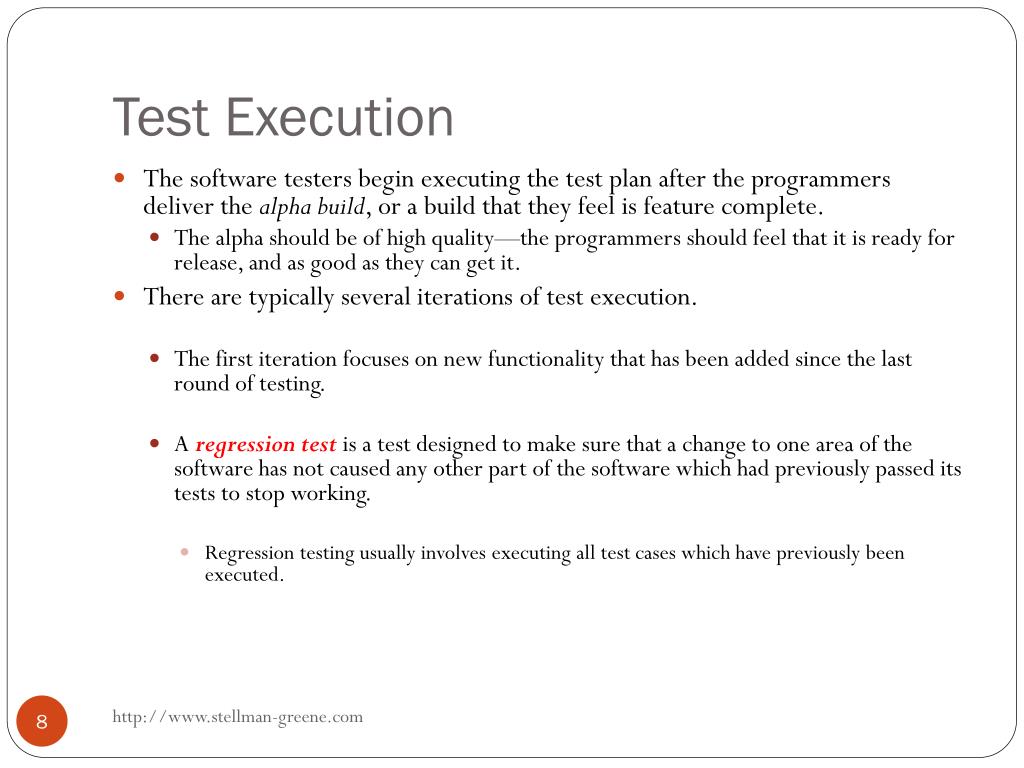
program components to reduces costs of test execution.
• Use Test Case Reusability: Avoid replicating test cases. Compose reusable tests regarding
common workflows to save time and effort.
• Upgrade Test Cases On a regular basis: Ensure that the test cases are generally up-to-date with the particular
latest features, repairs, or code changes. Test cases that are outdated may possibly waste time
plus fail to catch important bugs.
By keeping an efficient check case management method, you may streamline test setup
and avoid bottlenecks.
5. Leveraging Parallel Test Setup
Parallel test delivery allows multiple testing to run together, rather than 1 after the
other. This kind of can drastically reduce the total time frame required for assessment and improve the particular
efficiency of the analyze suite.
How to Implement Parallel Test Setup:
• Cloud Screening Platforms: Use cloud-based testing services like Sauce Labs or
BrowserStack to perform checks in parallel across different environments, browsers, and
devices.
• Distributed Testing: Make use of distributed testing frames like Selenium Main grid to run
checks on multiple devices concurrently.
• Insert Testing: For efficiency tests, use tools like Apache JMeter or LoadRunner to be able to
simulate multiple users in parallel in addition to measure performance under load.
Benefits of Parallel Test Execution:
• Reduced Testing Time: Running tests in parallel significantly reduces the period it takes
to execute a total test suite, quickly moving the feedback loop.
• Increased Insurance: Parallel execution permits you to test on multiple environments
or devices together, ensuring comprehensive test coverage.
• Improved Resource Utilization: By utilizing all available tools or cloud assets,
parallel execution improves the testing method.
6. Monitor plus Analyze Test Performance Metrics
Monitoring and even analyzing test execution metrics is essential to learning the
usefulness of your testing efforts and determining areas for development. By tracking key
performance indicators (KPIs), you can enhance test execution plus continuously improve
screening practices.
Key Analyze Execution Metrics to be able to Monitor:
• Check Coverage: The percentage associated with your application analyzed by the performed test cases.
• Test Pass/Fail Charge: The ratio of passed to failed tests, aiding to identify areas with
frequent issues.
• Defect Density: The number of defects found throughout testing relative to be able to the size of the
codebase.
• Test Execution Time: The overall time taken to execute the particular entire test package.
• Test Period Time: The moment taken up complete the test cycle, like preparation,
execution, in addition to reporting.
By regularly reviewing these metrics, you can recognize inefficiencies and bottlenecks in the
check execution process in addition to take corrective actions.
7. Integrate Performance Testing Early
Performance issues can always be difficult to identify later in the development cycle, which usually is why
integrating performance testing earlier in the development process is vital. This assures that
performance bottlenecks are discovered and resolved before they will become major concerns.
Benefits of Earlier Performance Testing:
• Faster Issue Diagnosis: Identifying performance problems early allows a person to fix these people
before they affect the overall system.
• Improved Scalability: Early performance tests ensures that the application can
handle high user loads and even scale effectively.
• Optimized Resources: Overall performance testing helps optimize resource usage, making sure
that the software performs efficiently under varying conditions.
Bottom line
Optimizing test setup for efficient software development is essential for delivering large
quality applications quickly. By implementing techniques such as automated testing, CI/CD
pipelines, parallel test setup, and performance screening, you can streamline typically the testing
process, lessen testing time, in addition to improve product quality.
Efficient test setup enables faster feedback, higher confidence in releases, plus
finally, better software. Simply by adopting the very best methods and strategies layed out in this
content, you can ensure that your test out execution process is usually optimized for productivity, resulting
in quicker time-to-market and better customer satisfaction.


Leave a Reply