


Artificial Intelligence (AI) is revolutionizing smart contract lifecycle management
The smart contract industry has experienced rapid growth in recent years with the adoption of blockchain technology and programmable contracts. However, managing the lifecycle of these complex digital assets can be a daunting task for developers, administrators, and auditors alike. This is where artificial intelligence (AI) comes in.
What are smart contracts?
Smart contracts are self-executing contracts in which the terms of the contract are written directly into lines of code. They are stored on a blockchain network, allowing them to be transparent, secure, and tamper-proof. The first successful smart contract, Self-Hosted Bitcoin, was launched in 2014.
Challenges in Smart Contract Lifecycle Management
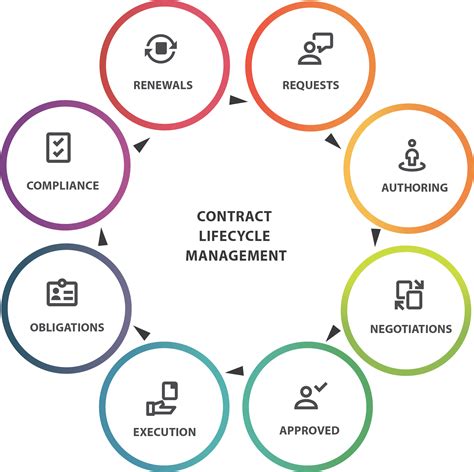
The smart contract lifecycle consists of several stages, including:
- Deployment: Moving the contract code from development to production.
- Activation: Initializing the contract and configuring its functionality.
- Maintenance: Updating and patching the contract to ensure security and compliance with regulatory requirements.
- Monitoring: Tracking the contract’s performance and identifying issues or errors.
The Role of AI in Smart Contract Lifecycle Management
Artificial intelligence can help simplify these complex processes by:
- Predictive Analytics: Identifying potential risks and vulnerabilities in smart contracts using machine learning algorithms that analyze code samples, transaction data, and regulatory compliance.
- Automated Testing: Using AI-driven testing frameworks to simulate different scenarios and identify defects, reducing the need for manual testing and improving the overall quality of contract functionality.
- Optimization: Analyzing contract deployment metrics to optimize the process of moving contracts from development to production.
- Continuous Monitoring: Real-time monitoring of smart contracts using AI-driven monitoring tools to detect potential issues and defects.
AI-based Smart Contract Lifecycle Management Solutions
A number of companies currently offer AI-based solutions for smart contract lifecycle management, including:
- Chainalysis
: A blockchain analytics platform that provides predictive analytics and automated testing for smart contracts.
- Helium Network: A decentralized network of nodes that track the movement of tokens on their blockchain, providing real-time monitoring and alerting systems.
- Ethereum Labs: The official Ethereum project that includes a set of tools and libraries for developing and managing smart contracts.
Benefits of AI in Smart Contract Lifecycle Management
The adoption of AI-based smart contract lifecycle management solutions offers several benefits, including:
- Improved Accuracy: Automated testing and predictive analytics reduce the likelihood of errors and failures in smart contracts.
- Increased Efficiency: AI can automate repetitive tasks, freeing up resources for more strategic work.
- Enhanced Security: Real-time monitoring and alerting systems help identify potential security risks before they become problems.
- Compliance: AI-powered solutions ensure that smart contracts comply with regulatory requirements.
Conclusion
Artificial intelligence is transforming the smart contract industry by streamlining lifecycle management processes, improving accuracy, efficiency, security, and compliance. By leveraging AI-driven solutions, developers, administrators, and auditors can work more efficiently, reducing errors, and ensuring the integrity of digital assets on blockchain networks. As the use of AI continues to grow, we can expect to see more innovative applications in this area.

Leave a Reply