

Cannabis, one of the particular oldest cultivated plants in human history, provides a rich in addition to complex heritage of which spans thousands of years and regions. Its journey through wild plant to cultivated crop displays humanity’s relationship together with this versatile varieties. This article is exploring a history of marijuana seed cultivation, doing a trace for its origins, their uses through the ages, and its particular contemporary renaissance.
Ancient Inception
Origins in Core Asia
Cannabis will be believed to have originated in Core Asia, with archaeological evidence suggesting it is use as earlier as 10, 000 years ago. Earlier humans recognized typically the plant’s potential for various applications, which includes food, fiber, plus medicine. The seeds of cannabis, wealthy in protein in addition to essential fatty stomach acids, were likely taken by hunter-gatherer societies.
The Spread of Cultivation
As old societies transitioned to be able to agricultural lifestyles, hashish cultivation spread all through Asia, Europe, plus Africa. By 2700 BCE, the Chinese were cultivating cannabis for its fabric, using them in order to produce textiles, rules, and paper. Typically the legendary Chinese Chief Shen Nong is usually credited with documenting the medicinal qualities of cannabis inside the “Shennong Bencao Jing, ” an old pharmacopoeia. This noted the beginning involving cannabis’s dual personality as both the fiber and therapeutic plant.
Cultural Value
Cannabis also kept spiritual and religious significance in historic cultures. In India, for instance, it absolutely was associated with the Hindu god Shiva and utilized in traditions. The plant had been revered for it is psychoactive properties and even became an important part of strict ceremonies. Similarly, inside ancient Egypt, marijuana was used for both medical purposes and spiritual techniques, with evidence of its use inside mummification rituals.
Typically the Middle Ages: Enlargement and Adaptation
Typically the Silk Road
Through the Middle Ages, typically the Silk Road caused the exchange associated with goods and understanding between the East and West. Cannabis seeds traveled alongside these trade routes, reaching the Midst East and European countries. In Persia, typically the plant was grown for its psychoactive properties, while throughout Europe, it carried on to be respected for its fibres.
European Cultivation
Simply by the 16th century, cannabis was broadly cultivated in European countries for its hemp fibers, essential for making ropes, sails, and textiles. The versatility made that a staple plant in many Europe. Notably, hemp was used in the production of paper, using the first known publication printed on hemp paper being typically the Gutenberg Bible inside the 15th century.
Medicinal Use
The medical use of cannabis also flourished during this time. In the 19th century, Traditional western medicine began to explore the healing potential of cannabis, bringing about its addition inside the U. S i9000. Pharmacopeia in 1850. Physicians prescribed cannabis extracts for several ailments, including pain relief and sleep problems.
The 20th Millennium: Prohibition and Judgment
The Rise of Prohibition
Early twentieth century marked some sort of significant turning stage for cannabis cultivation. In the United States, anti-drug comments grew, fueled by political agendas plus social movements. The particular Marihuana Tax Work of 1937 efficiently criminalized cannabis nurturing, leading to a large decline in its production. This period of prohibition was recognized by misinformation, fear, and stigma encircling the plant.
Effect on Cultivation
Seeing that a result involving prohibition, cannabis cultivation was driven subway, making it more difficult to regulate in addition to study. The stigma surrounding the flower hindered scientific study, which in turn limited our comprehending of its possible benefits. Naturally, clandestine cultivation persisted, together with many growers centering on breeding high-potency kinds for recreational employ.
The Counterculture Motion
The 1960s in addition to 1970s saw the particular rise of the counterculture movement, which often embraced cannabis seeing that a symbol regarding rebellion against societal norms. This ethnic shift triggered enhanced demand for cannabis, prompting some stating to refine their own cultivation techniques. Dog breeders began developing hybrid strains with certain traits, further diversifying the cannabis gene pool.
The Current Era: Legalization and Exploration
Resurgence involving Legalization
The late 20th and earlier 21st centuries experienced a significant shift in attitudes toward hashish. In 1996, Los angeles became the 1st U. S. state to legalize health-related cannabis, paving the particular way for the broader movement. Due to the fact then, numerous places and states include followed suit, legalizing cannabis for medicinal and recreational employ. This resurgence offers revitalized cannabis fostering, leading to typically the establishment of some sort of legitimate industry.
Improvements in Cultivation Methods
With the legalization associated with cannabis, research in to cultivation practices features flourished. Modern farmers surely have access to advanced techniques, which include hydroponics, aeroponics, and even indoor cultivation. These types of methods enable all year round cultivation and greater control over environmental factors, leading in order to increased yields and even potency.
Genetic Diversity and Breeding
Right now, cannabis breeding is usually a sophisticated research. Growers are experimenting with genetics to generate strains that serve specific preferences, for example high THC or CBD content. This kind of focus on picky breeding has resulted in an huge increase of cannabis varieties, each with distinctive flavors, aromas, and effects. The marketplace now offers from high-CBD strains for medicinal use to powerful hybrids for leisure consumers.
Global Views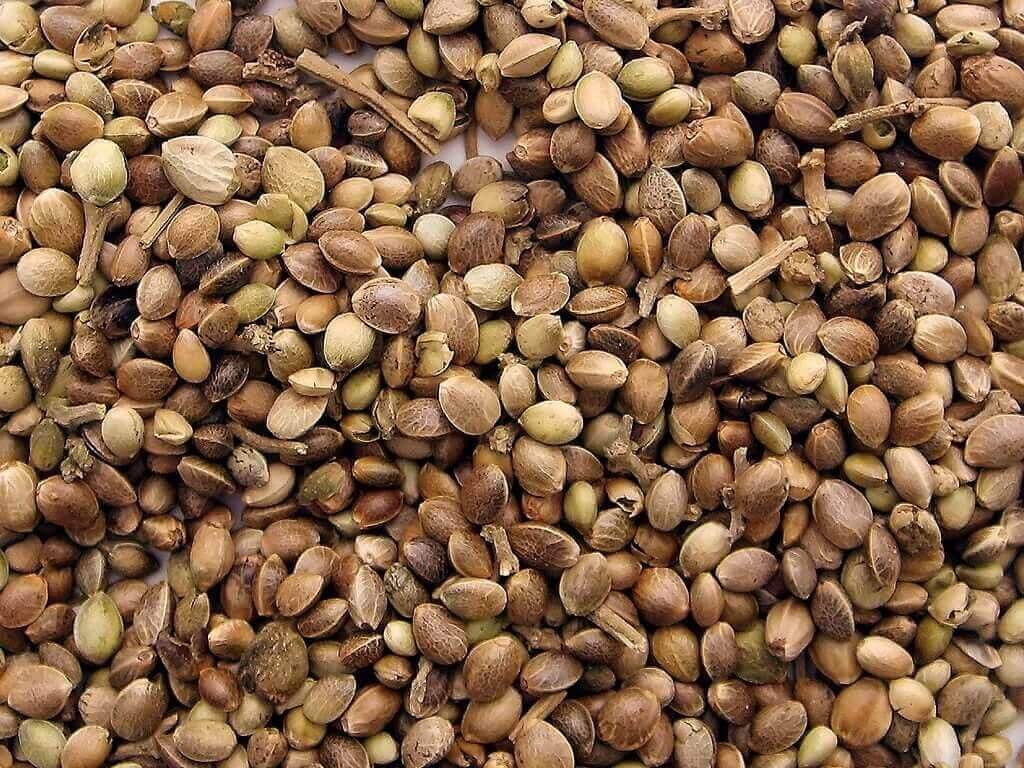
Cannabis cultivation is no longer confined to some sort of specific region; this has become some sort of global industry. Countries like Canada and Uruguay have shared legalization, creating frames for regulated fostering and distribution. Within Europe, nations like the Netherlands have long been known for their particular progressive cannabis guidelines, fostering a lifestyle of acceptance and even innovation.
Challenges and even Future Leads
Regulating Hurdles
Despite the progress made in cannabis legalization, challenges continue to be. Regulatory frameworks tend to be inconsistent, leading to confusion for stating and consumers alike. Additionally, the loitering stigma associated along with cannabis can prevent research efforts in addition to limit the industry’s growth potential.
Environmental Considerations
Since the hashish industry expands, worries about its environmental impact have surfaced. Cultivation requires important resources, including normal water and energy. Sustainable practices, for example organic and natural cultivation and alternative energy use, are essential to mitigate these impacts and make sure the long-term stability in the industry.
Continued Research and Development
The future of cannabis cultivation holds immense promise. Ongoing you can try these out into the plant’s medicinal properties and probable applications continually reveal new insights. Since societal attitudes shift, the opportunity for cannabis to carry out an important role inside agriculture, medicine, plus industry grows.
Conclusion
The of cannabis seed cultivation will be a display of humanity’s growing relationship with this remarkable plant. By its ancient beginnings as a staple food and medicine to be able to its modern renaissance like a legal plant, cannabis has been subject to significant transformations. Like we move forward, embracing sustainable practices in addition to advancing research can be crucial to be able to unlocking the full potential of cannabis while respecting its rich heritage. The particular journey of hashish cultivation is considerably from over; it continues to adjust and thrive in a changing world, promising new possibilities for future years.


Leave a Reply