

Introduction
Chittorgarh Fort, one of India’s most opulent historical web sites, stands as a symbol of Rajput valor, resistance, and even sacrifice. Sprawled over 700 acres inside Rajasthan, this UNESCO World Heritage Internet site has witnessed many battles and heroic sacrifices, so that it is the enduring testament in order to India’s struggle towards foreign domination. Although its significance inside medieval history is well-documented, its function in shaping India’s independence movement and inspiring freedom mma fighters is often overlooked. This article is exploring how Chittorgarh Fort played an essential role in India’s quest for freedom and became the emblem of level of resistance against oppression.
Chittorgarh: A Bastion associated with Resistance Against Foreign Guideline
The historical past of Chittorgarh Fort is replete with instances of weight against invaders, environment a precedent with regard to India’s later liberty movements. The ft was besieged many times by foreign rulers, notably by Alauddin Khilji in 1303, Bahadur Shah of Gujarat in 1535, and Akbar in 1567. Each moment, the Rajputs shown unparalleled bravery, finding death over cave in. The spirit of self-sacrifice, embodied by simply the legendary acts of Jauhar (self-immolation) led by Lagu Padmini and Lagu Karnavati, resonated by means of history and motivated future generations involving freedom fighters.
The particular Fort as a new Symbol of Nationalism and Patriotism
In the course of British rule, Chittorgarh Fort became some sort of source of nationalist inspiration. The fort’s historical narratives regarding bravery and level of resistance were frequently referenced in speeches, materials, and movements in opposition to British colonial concept. The Rajput monto associated with Chittorgarh was seen like a symbol regarding Indian strength, and its tales had been used to impress a sense of patriotism among the masses.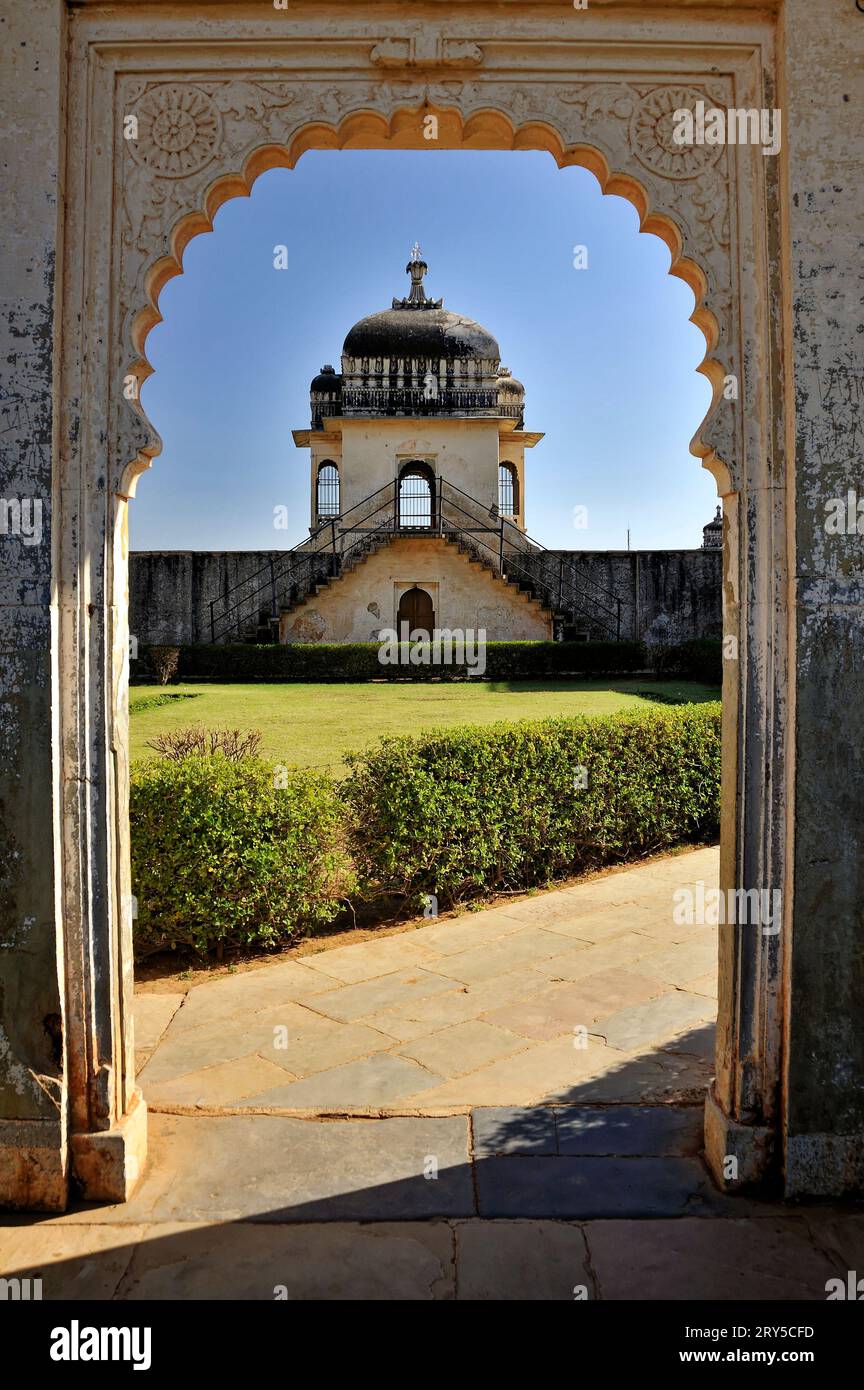
Market leaders of the Indian native independence movement, for instance Bal Gangadhar Tilak, Mahatma Gandhi, and even Subhas Chandra Bose, emphasized the have to have for courage and self-sacrifice, virtues exemplified by the warriors of Chittorgarh. Many nationalist poets in addition to writers, including Bankim Chandra Chatterjee plus Rabindranath Tagore, received inspiration from the particular fort’s history when penning works of which fueled anti-British sentiments.
Chittorgarh’s Influence in Freedom Fighters
The fort’s stories regarding defiance motivated several freedom fighters during India’s struggle with regard to independence. Rajput warriors and local leaders from Rajasthan played important roles in fighting off British policies. Typically the Princely State associated with Mewar, where Chittorgarh can be found, also got strong nationalist motions advocating for self-rule.
Notably, the Rajputana states, inspired simply by the martial customs of Chittorgarh, offered soldiers and sources to the Indian National Army (INA) led by Subhas Chandra Bose. Several revolutionaries from Rajasthan, influenced by the ideals of Chittorgarh, actively participated throughout uprisings against English rule, such as the Quit Of india Movement of 1942.
Chittorgarh Fort as a Rallying Point with regard to Cultural Renaissance
In addition to its direct affect on freedom fighters, Chittorgarh Fort enjoyed a role inside the cultural awakening of India. The fort’s legacy has been revived in the 19th and 20th hundreds of years through various ethnic and literary actions that aimed to bring back national pride. Typically the rediscovery of Rajput heritage through ballads, folk songs, in addition to historical accounts helped strengthen the nationalist movement.
The Rajputana region saw typically the rise of personal activism with companies such as the Rajput Sabha in addition to the All India States Peoples’ Seminar (AISPC), which demanded greater autonomy through British influence. Leaders from Rajasthan plus beyond frequently referenced Chittorgarh Fort within their speeches, rewarding its status as a historical castle of resistance.
Check This Out -Independence: The Symbol of National Historical past
After Of india gained independence inside 1947, Chittorgarh Fortification continued to hold immense historical in addition to patriotic significance. That became a history site that warns Indians of the particular sacrifices made with regard to freedom. The us government involving India has taken substantial steps to conserve the fort, realizing its role inside inspiring future generations.
Today, Chittorgarh Résistant is a main tourist attraction, attracting visitors from around the country who else come to pay homage to it is heroic past. Educational institutions and universities incorporate its history in to their curricula, ensuring that the fort’s legacy continues to inspire young thoughts.
Bottom line
Chittorgarh Ft is more than just an architectural marvel; that is a symbol of unwavering resistance, patriotism, and give up. Its history associated with defying invaders plus upholding self-respect put the foundation regarding India’s later flexibility movements. The fort’s legacy continues in order to inspire millions, helping once again of the price paid for freedom and the courage needed to conserve it. As Indian moves forward, Chittorgarh Fort remains a new beacon of countrywide pride and famous consciousness, urging generations to uphold typically the values of bravery, resilience, and freedom.


Leave a Reply