

The life cycle of your cannabis plant is a delicate yet amazing process, marked by simply several critical stages, each of which often
requires specific treatment and attention intended for optimal growth plus yield. For farmers, comprehending the intricate details of
the hashish seed’s life cycle—from germination to harvest—can help to increase the quality plus amount of the
crop. Even though many beginners are usually aware of the basic stages, seasoned cultivators understand that typically the success of the particular
plant depends in much more than simply planting a seed starting and awaiting that to grow. This comprehensive guide may
explore the life cycle of hashish seeds in detail, focusing on the many factors that impact each stage and the
advanced techniques for reaching the best probable results at every stage.
1. Germination: Typically the Spark of Lifestyle
The life spiral of cannabis starts with germination—the method through which the cannabis seed begins to sprout. Intended for
many experienced growers, achieving the greatest germination is vital, because it sets the particular foundation for the plant' s
health insurance and vigour. During read here , the seed absorbs normal water, causing it to swell and fracture open, with the taproot
(the primary root) emerging to single point the plant and commence nutrient uptake.
When germination seems just like an easy process, it’s motivated by several elements that can determine no matter if or not
the particular seed will sprout:
Temperature: The right temperature for cannabis seed germination is definitely between 70-85°F (21-29°C). Too much
heat can cause seeds to be able to dry out, although too little may slow down typically the process.
Wetness: Cannabis seeds demand moisture in order to their own dormancy. However, too much water can cause
mildew and seed corrosion, which is exactly why humidity should end up being maintained at about 70% during this phase.
Light: Throughout the germination period, seeds do not necessarily need direct lighting. In fact, they will germinate better
in the dark, moist atmosphere. After the taproot appears, however, exposure to light is necessary for the
seedling to start photosynthesis.
Common approaches for germinating marijuana seeds include the paper towel technique, glass of drinking water method, and
primary planting in dirt. Each method offers its advantages, together with the paper soft towel method offering even more control over the
germination process, whilst direct planting is much less invasive.
2. Plant Stage: Establishing Robust Roots and Comes
Once a hashish seed has germinated, it enters typically the seedling stage. This kind of phase is vital for making a wholesome root
system, which will support future growth and nutritional uptake. Seedlings are particularly delicate, as these people have only some sort of
small root system and fragile comes. During this period, proper care is essential to be able to ensure that the rose establishes a
solid foundation.
Key factors in order to consider in the plant stage:
Lighting: Seedlings require 18-24 hours of sunshine for every day to motivate rapid growth. In the event that growing indoors,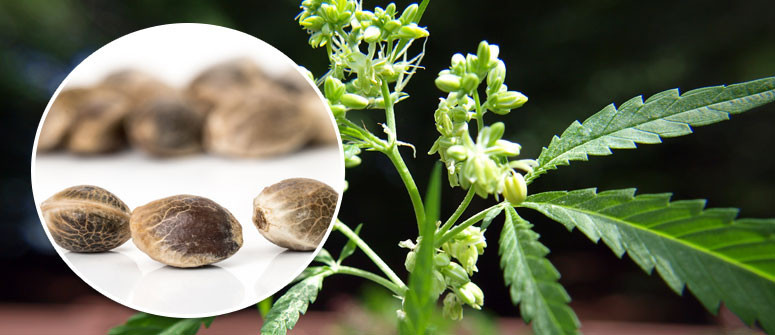
fluorescent or LED lights are ideal intended for young plants credited to their lower heat output in addition to spectrum suited for
vegetative growth.
Nutrients: Cannabis seedlings have minimal nutritional needs, since they depend on the meals kept in the seeds by itself
for typically the first few times. Overfeeding or employing nutrient-rich soil may overwhelm the younger plant and stop its
growth. A light-weight feeding of nitrogen and phosphorous is typically sufficient once the particular seedling has created a
few simply leaves.
Humidity: Seedlings thrive in substantial humidity (around 60-70% RH), which will help to prevent lacks and
promote healthy leaf and origin development.
The seedling phase typically holds up 2-3 weeks, based on the environment and tension. During this level, the plant
develops the first true leaves (the cotyledons), which often are necessary for the natural photosynthesis and the continuing growth of
the particular plant.
3. Vegetative Stage: Rapid Growth and Development
Following the seedling period, the cannabis herb enters the vegetative stage, when that focuses on developing larger
roots, stems, and leaves. This can be a phase where cannabis plants exhibit their own most noticeable growth in height in addition to
leaf development, setting up for the eventual flowering phase. Typically the vegetative stage is usually marked with a substantial
increase in biomass as the plant functions strengthen itself before it begins its reproductive cycle.
Several factors effect the growth and achievement of plants throughout the vegetative period:
Light Period: Cannabis plants require 18-24 hours associated with light during the particular vegetative phase. This specific extended period
involving light mimics the particular longer days of summer and encourages vegetative growth. In some instances, declaring no to prop use a
20/4 light cycle (20 hours of lighting and 4 several hours of darkness) to be able to optimize growth without stressing the plants.
Nutrients: Typically the vegetative stage requirements higher levels of nitrogen, which promotes green growth, along with other
macro and micronutrients to be able to support robust growth. Many growers switch to a vegetative nutritional
mix, which is usually higher in nitrogen and supplies the best balance of nutrients for strong development.
Pruning plus Training: The vegetative stage is the ideal period for shaping the rose. Techniques like leading,
fimming, low-stress coaching (LST), and high-stress training (HST) can assist control the plant’s shape and
encourage more even development. These techniques furthermore help create a lot more bud sites, which could improve yields
afterwards in the flowering stage.
Environment Factors: During typically the vegetative stage, the plant is a lot more resilient, but preserving optimum
environmental circumstances remains to be important. Temperature should remain among 70-85°F (21-29°C), with
humidity levels involving 40-70%. A stable supply of clean, clean air and proper air flow is crucial in order to prevent typically the
build-up of pests, mould, or mildew.
Typically the vegetative stage can last anywhere from 3 to 7 weeks, based on the grower' s goals, strain, and increasing
atmosphere. Some growers choose to extend this particular stage to allow for larger crops, while others switch to the
flowering period sooner to sustain smaller plants.
four. Flowering Stage: Reproductive Growth and Marijuana Enhancement
The blooming stage is typically the most critical period in the lifestyle cycle of hashish plants, as this specific is when typically the plant transitions
in to its reproductive period and begins to generate flowers (buds). Hashish plants are photoperiod-sensitive,
meaning that the light cycle plays the role in activating the flowering procedure. When the plant receives 12 hrs of
uninterrupted darkness per day, it enters the its heyday stage.
Several aspects influence the accomplishment of the flowering phase:
Light-weight Cycle: The sunshine pattern is the most significant environmental element during flowering. A new 12/12 light period
(12 hours associated with light, 12 hours regarding darkness) is important for cannabis plants in order to trigger and maintain flowering. Any
lighting leaks during the dark period may cause the particular plant to go back to the vegetative state, resulting in delayed or
hermaphroditic plants.
Nutrients: During flowering, hashish plants require even more phosphorus and potassium for flower and even bud
development, plus less nitrogen. Specialized bloom nutrient formulations are typically used within this stage,
guaranteeing the plants possess the nutrients they need for marijuana growth and resin production.
Temp and Humidity: The best temperature range regarding cannabis plants in the flowering stage is definitely
65-80°F (18-27°C). Too much heat can lead to stress and impact resin production. Humidness should be reduced
in order to around 40-50% RH to prevent mould growth and showcase robust bud creation.
Environmental Handle: Proper air circulation and ventilation are really essential throughout the blooming stage to
ensure the buds remain dry and free from mould. Many growers implement dehumidifiers and carbon filters to
manage humidity and odour manage effectively.
The blooming stage typically endures between 8 in order to 12 weeks, according to the strain. Indica stresses tend to have got a
shorter flowering period, while sativa strains demand a longer flowering time. This is also throughout this phase that the
plant’s trichomes—tiny glandular structures responsible for producing THC, CENTRAL BUSINESS DISTRICT, and other cannabinoids—become
most visible plus resinous.
5. Pick: The Culmination regarding the Cannabis Living Cycle
A final stage in the cannabis life cycle could be the harvest, which scars the culmination in the plant’s growth as well as the
point at which often the buds are ready for selection. Determining the right time to be able to harvest is critical, as harvesting as well
early or also late can affect the particular potency and top quality of the hashish.
Several indicators decide the best moment to harvest:
Trichome Colour: The most common method for gauging harvest time is by observing typically the trichomes. Crystal clear
trichomes indicate that the flower is immature, whilst milky or dark trichomes signify top potency. Ruby
trichomes suggest that the particular THC is beginning to degrade into CBN, indicating that the particular plant may be overripe.
Pistil Colour: The pistils, or even hairs for the buds, will change coming from white to orange colored, brown, or red as they
adult. An over-all guideline will be to wait until 70-80% of the pistils have changed color, signaling that typically the plant is near its optimal harvest moment.
Overall Flower Health: Before collection, ensure that the particular plant is cost-free from pests, conditions, and mold. Examine
the buds for any signs of corrosion or damage, since these can considerably reduce the good quality of the harvesting.
Once harvested, the cannabis must undertake proper drying and even curing to maintain its potency, flavour, and aroma. Typically the
drying process generally lasts 7-14 days and nights, depending on environment conditions, and consists of hanging the twigs
in a great, dark place with low humidity. Right after drying, curing in airtight jars assures that the cannabis retains their
quality and flavours although enhancing its effectiveness.
Conclusion
Living period of cannabis seed is a complex yet rewarding journey, with each level contributing to the particular development
of the ultimate product. From germination to harvest, every step requires consideration to detail plus an
understanding involving how environmental aspects influence plant expansion. By mastering the particular intricacies of every single
phase—germination, seedling, vegetative, flowering, and harvest—growers can maximize their yields and ensure
these people cultivate high-quality marijuana plants. Understanding this kind of cycle allows cultivators to fine-tune their growing
practices intended for optimal results, no matter if they are developing for personal use or commercial generation.


Leave a Reply