

Hemp seed farming will be undergoing a renaissance, driven by improving awareness of the particular plant’s versatile uses plus the evolving surroundings of agricultural techniques. As legal limitations diminish and market demand rises, maqui berry farmers are exploring innovative frontiers in hemp cultivation. This post delves into the present trends and innovations shaping the continuing future of hemp seed farming, reviewing the implications for farmers, consumers, in addition to the environment.
Historic Context of Hemp Farming
Hemp has a rich history, dating back to thousands of decades when it was cultivated for the fibers, seeds, and even oil. Ancient civilizations used hemp for textiles, ropes, in addition to paper, while the seeds served because a valuable foods source. However, the particular 20th century caused stigmatization and legal restrictions, significantly limiting hemp farming, particularly in the United States.
Together with this content of the 2018 Plantation Bill in the U. S., hemp was removed through the list of controlled substances, reigniting interest in hemp cultivation. This legal change has exposed the doors to brand-new research, investment, and even market opportunities, paving how for hemp seed farming to flourish once again.
Current Trends throughout Hemp Seed Gardening
1. Diversification regarding Hemp Items
One of the most significant trends inside hemp seed farming is the variation of products made from the plant. Hemp seeds are recognized for their very own nutritional value, getting rich in protein, healthy fats, vitamin supplements, and minerals. Seeing that health-conscious consumers seek plant-based protein resources, hemp seeds have gained popularity seeing that a superfood. This specific trend is compelling farmers to explore distinct varieties of hemp, focusing on seed starting production for typically the food market.
Besides food products, hemp is used in the production of oils, cosmetics, textiles, in addition to biodegradable plastics. Typically the versatility of hemp ensures that farmers can easily serve multiple trading markets, reducing their reliability on any solitary crop.
2. Lasting Farming Practices
Sustainability is at the forefront of agricultural development, and hemp gardening is not an exception. Hemp is recognized as an environmentally friendly crop due to its low drinking water requirements, rapid growth, and ability in order to enrich the ground. As farmers take up more sustainable techniques, for example crop rotation and organic farming, hemp’s appeal expands.
Innovative farming strategies, including regenerative farming, are explored in order to enhance soil wellness and biodiversity. These types of practices not simply improve crop brings but also contribute in order to environmental conservation, generating hemp a good option for eco-conscious farmers.
3. Technological Improvements in Cultivation
The integration of technology straight into farming is altering the hemp business. Precision agriculture strategies, such as garden soil sensors and drones, are employed in order to monitor crop health and fitness and optimize expanding conditions. This data-driven approach allows maqui berry farmers to make knowledgeable decisions about irrigation, fertilization, and infestations management, ultimately raising efficiency and minimizing costs.
Furthermore, breakthroughs in breeding methods, including genetic adjustment and selective breeding, are leading in order to the development involving hemp varieties with enhanced traits, such as higher CENTRAL BUSINESS DISTRICT content, disease opposition, and better elasticity to local climates. These innovations are crucial for meeting the particular growing demand with regard to hemp products.
some. Expansion of Research and Development
Typically the renewed interest inside of hemp farming has sparked an increase in research and development (R&D) efforts. Universities and even agricultural institutions are usually investing in hemp research to explore its agronomic potential, pest management methods, and economic stability. This focus on R&D is important regarding overcoming the information gaps that have in the past hindered the business.
Studies also staying conducted on typically the health benefits regarding hemp seeds and the oil, which might bring about new product formulations and marketplaces. As scientific facts supporting hemp’s dietary value continues to grow, consumer demand is likely to be able to increase.
Innovations inside Hemp Seed Harvesting
1. Biotechnology plus Genetic Engineering
Biotechnology plays a crucial role in typically the future of hemp seed farming. Anatomical engineering can aid create hemp varieties with desirable characteristics, like increased weight to pests and diseases, improved produce, and enhanced nutritional profiles. This advancement can lead to be able to more productive farming practices and make sure that farmers will meet market needs effectively.
Moreover, biotechnology can facilitate the development of hemp varieties specifically tailored for niche market segments, for instance high-CBD hemp for medicinal items or low-THC hemp for food production. These specialized seeds can provide farmers additional revenue streams.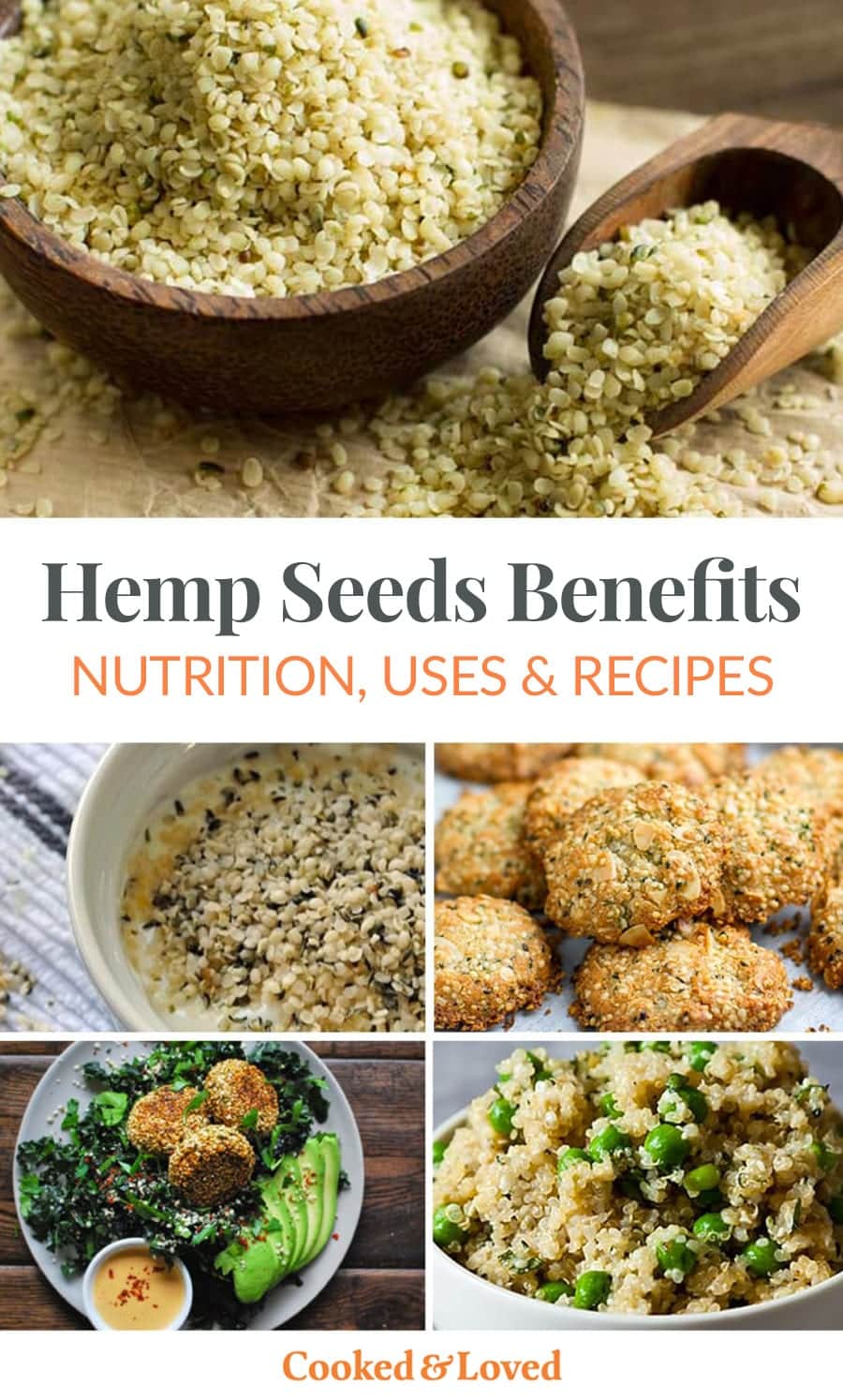
a couple of. Innovative Processing Strategies
Processing is a new critical component of typically the hemp industry, as it transforms natural hemp materials straight into marketable products. Improvements in processing technologies are enhancing productivity and product high quality. For instance, improvements in oil extraction methods are containing higher-quality hemp seeds oil, which is gaining traction in the culinary and cosmetic markets.
Additionally, the development associated with eco-friendly processing procedures aligns with all the sustainability trend. Techniques that will minimize waste and even energy consumption usually are becoming increasingly important as consumers seek environmentally responsible products.
3 or more. Vertical Farming and Indoor Cultivation
The particular rise of vertical farming and indoor cultivation is one more trend impacting hemp seed farming. These kinds of innovative growing strategies enable year-round fostering, maximizing space and even resource efficiency. Inside farms can command environmental variables, lessening the risk of pests and even diseases while optimizing growth conditions.
When vertical farming may well require significant preliminary investment, its potential to produce superior quality hemp seeds and other products in metropolitan settings can start new markets and minimize transportation costs. While technology advances, the scalability of inside hemp farming will more than likely improve, making that an affordable option regarding more farmers.
4. Blockchain and Supply Cycle Transparency
Transparency within the supply string is becoming significantly important for consumers. Blockchain technology offers a solution by providing a great immutable record of the entire production process, from seed starting to shelf. This specific innovation can boost trust between producers and consumers, ensuring that hemp products are usually sourced ethically and sustainably.
Farmers who adopt blockchain can track their products, monitor quality, and provide consumers using verifiable information concerning their hemp. This level of transparency can lead to a new competitive advantage within an increasingly crowded industry.
Challenges Facing Hemp Seed Farming
Despite the promising future regarding hemp seed farming, several challenges continue to be. Farmers must understand regulatory complexities, like laws surrounding hemp cultivation can differ significantly between locations. Additionally, the marketplace regarding hemp products is usually still evolving, plus fluctuations in require can make uncertainty regarding producers.
Moreover, education and training will be crucial for farmers moving to hemp cultivation. Many may lack the ability and assets essential to grow hemp effectively, highlighting the particular need for in depth training programs in addition to support networks.
Conclusion
The future of hemp seed agricultural is bright, designated by innovative trends and advancements that promise to enhance the industry. Like sustainability, technology, plus research converge, farmers are well-positioned in order to meet the growing demand for hemp products while adding to environmental conservation.
Simply by embracing these styles and innovations, farmers can not simply increase their profitability although also play a new vital role within the sustainable farming movement. As hemp continues to restore its place within modern agriculture, that holds the to provide an extensive array of benefits, coming from health and nourishment to environmental sustainability, ensuring that this specific ancient crop remains relevant in the 21st century.


Leave a Reply