

Cannabis has emerged as a fascinating subject of study, not simply due to its psychoactive properties but in addition for its complicated genetics and potential applications in numerous fields, including medication, agriculture, and industry. As legalization efforts expand worldwide, the demand for top quality cannabis products keeps growing, prompting researchers in addition to cultivators to get deeper into typically the genetics of cannabis plants. At the particular heart of this kind of exploration lies marijuana seeds, which perform a crucial role inside breeding programs targeted at enhancing innate diversity, improving traits, and developing fresh varieties.
Understanding Marijuana Genetics
Cannabis sativa, Cannabis indica, in addition to Cannabis ruderalis happen to be the three principal species of the cannabis plant, every exhibiting unique features. The genetic range among these types gives a rich source for breeders in order to create new hybrids with desirable attributes.
1. Genetic Composition of Cannabis
The cannabis genome involves approximately 80, 000 genes, which may influence an extensive array of characteristics, including growth patterns, cannabinoid and terpene production, and weight to diseases plus pests. By comprehending the genetic make-up of different cannabis varieties, breeders can easily make informed decisions when selecting father or mother plants for crossbreeding.
2. Phenotypic Deviation
Cannabis plants exhibit significant phenotypic variance, which describes visible traits like size, shape, color, and chemical composition. This variation is essentially inspired by the plant’s genetic makeup and environmental factors. Dog breeders often utilize this particular diversity to select plants that show specific traits, such as higher THC or CBD degrees, improved yields, or even enhanced resilience to environmental stressors.
The significance of Genetic Diversity inside Breeding
Genetic variety is essential for the long-term achievement and sustainability regarding cannabis breeding courses. It leads to the particular development of strong and adaptable crops which could thrive inside various environmental disorders and resist disorders.
1. Increasing Durability
Genetic diversity allows ensure that cannabis plants can conform to changing environmental circumstances, such as temp fluctuations, drought, or even disease outbreaks. By incorporating diverse innate traits, breeders will create varieties which can be more resilient more enhanced equipped to handle challenges in nurturing.
2. Improving Characteristics
Breeding programs that will emphasize genetic range can cause the growth of cannabis plants with improved characteristics. For instance, breeders can select intended for plants that manufacture higher levels involving specific cannabinoids or perhaps terpenes, which can boost the therapeutic effects of cannabis products.
3 or more. Fostering Innovation
A diverse genetic pool permits breeders to check out new possibilities in cannabis cultivation. Simply by crossing different traces and selecting for unique traits, dog breeders can cause innovative mixed-style models that appeal to be able to various consumer personal preferences and market needs.
The Role regarding Cannabis Seeds within Breeding
Cannabis seed products are the starting point for any reproduction program. They consist of the genetic stuff necessary for generating new plants and is selected based upon desired traits.
one particular. Choice of Parent Crops
Breeders typically commence their breeding plans by opting for parent vegetation that exhibit appealing traits. The hereditary characteristics of these kinds of plants will influence the traits associated with their offspring. Simply by carefully choosing mother or father plants with specific genetic profiles, breeders can increase the likelihood of producing productive hybrids.
2. Seeds Propagation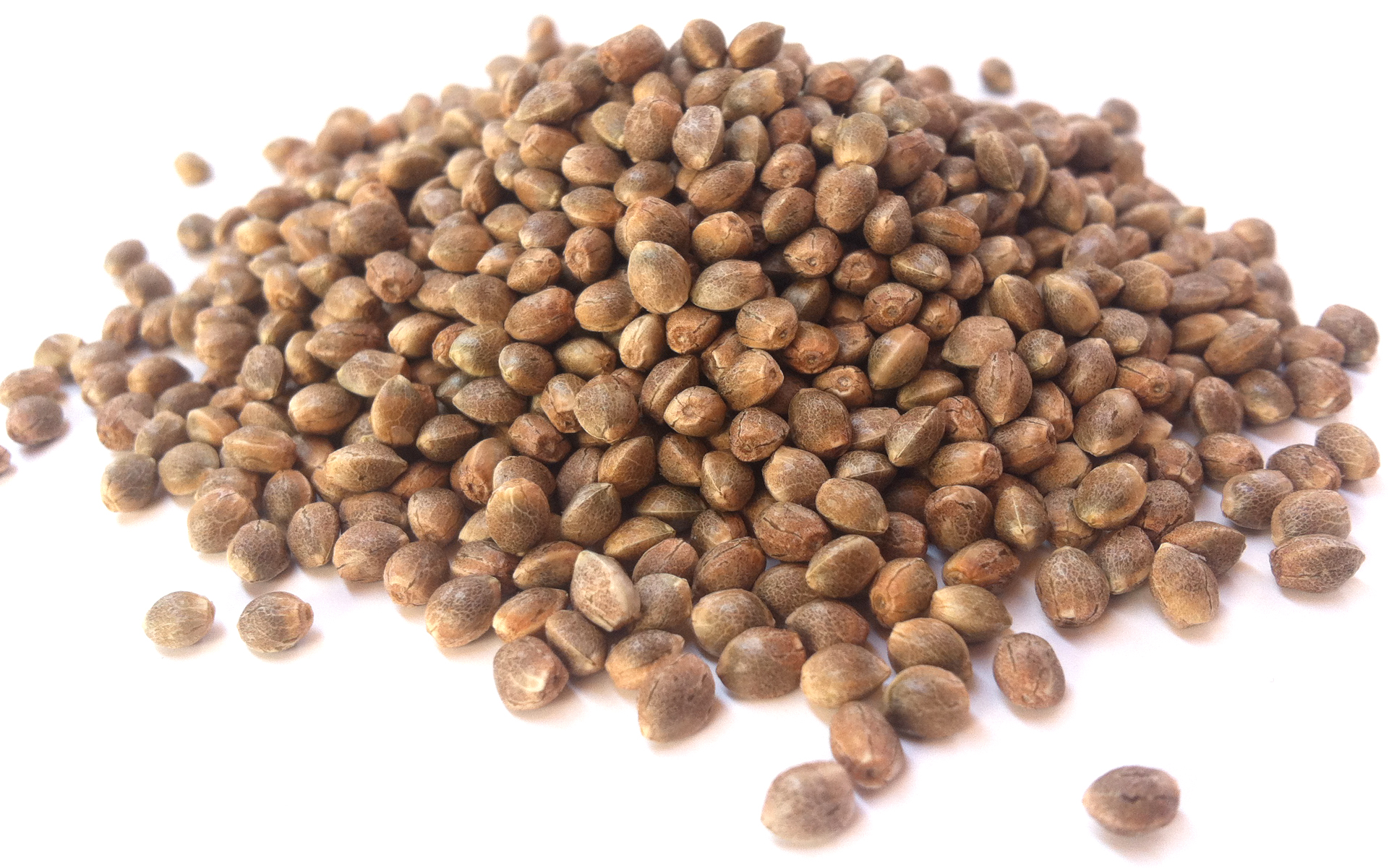
Once the parent plants are really selected, breeders can produce seeds by means of various methods, including open pollination or perhaps controlled breeding approaches such as cross-pollination. These seeds hold the genetic data from both father or mother plants, allowing breeders to create a new new generation associated with cannabis plants with a mixture of traits coming from both parents.
three or more. Hybridization and Backcrossing
Hybridization is some sort of common practice inside cannabis breeding, wherever two different traces are crossed to create a new hybrid strain. This process enables breeders to put together desirable traits through both parent crops. Backcrossing, however, consists of crossing a crossbreed with one of its parent or guardian strains to reinforce specific traits. Both strategies rely on typically the genetic diversity found in cannabis seeds in order to yield successful outcomes.
Exploring Genetic Indicators
To enhance mating efforts, researchers frequently utilize genetic indicators to distinguish specific attributes linked to cannabis plants. These markers can certainly be used to track inheritance patterns create informed selections during breeding.
just one. Molecular Markers
Molecular markers, such as single nucleotide polymorphisms (SNPs), can provide useful information about a new plant’s genetic makeup. By analyzing these kinds of markers, breeders can certainly identify plants of which carry desirable attributes, facilitating more effective selection processes.
two. Genetic Mapping
Anatomical mapping involves generating a detailed guide of the hashish genome, which will help breeders realize the relationships among different traits and the underlying genetic components. This knowledge may guide breeding techniques and improve the efficiency of attribute selection.
Challenges inside of Cannabis Breeding
While the potential for marijuana breeding is vast, several challenges must be addressed to be able to optimize the employ of genetic diversity in breeding applications.
1. Legal Regulations
Legal restrictions on cannabis cultivation may hinder breeding attempts in many regions. Breeders must get around complex regulations to make certain compliance while executing research and advancement.
2. Limited Anatomical Resources
Regardless of the developing interest in hashish breeding, the supply of genetically various cannabis seeds may be limited. Several cultivars on the market are carefully bred for specific qualities, ultimately causing a decrease in overall hereditary diversity.
3. Ecological Factors
Environmental conditions can significantly impact the expression of genetic traits inside cannabis plants. Breeders must consider exactly how factors such as soil quality, climate, and cultivation procedures can affect the achievements of their breeding programs.
Future Directions inside Cannabis Breeding
The future of cannabis breeding keeps great promise, with advancements in technologies and research introducing the way with regard to new possibilities.
one. Gene Editing Strategies
Emerging gene-editing technology, such as CRISPR, offer exciting opportunities for cannabis dog breeders to manipulate particular genes and boost desired traits. These techniques could better cannabis breeding by allowing for precise alterations without introducing foreign DNA.
2. Effort and Knowledge Discussing
Collaboration among breeders, researchers, and business stakeholders can engender innovation and the particular exchange of tips. By talking plus resources, the hashish community can work together to enhance hereditary diversity and increase breeding programs.
3. Consumer Education
Since consumers become even more informed about cannabis genetics and typically the importance of genetic diversity, there may be an increasing need for high-quality, varied cannabis products. Instructing consumers about the benefits associated with genetic selection can drive industry demand for innovative hybrids and new strains.
Summary
Cannabis seeds play a crucial role in reproduction programs, serving because the foundation for hereditary diversity and the development of new cultivars. By understanding the genetics of marijuana and leveraging typically the diversity within the gene pool, breeders can create resistant, high-quality plants of which meet the wants of consumers and the industry. As find more and technology still advance, the foreseeable future of cannabis breeding looks promising, together with the potential to unlock new choices in this particular fascinating industry.


Leave a Reply